
15
Dec
Nestled in the serene mountains of Arunachal Pradesh, Tawang has emerged as one of India’s fastest-growing travel destinations, breaking tourism records and redefining high-altitude travel. Known for its snow-covered peaks, ancient monasteries, and untouched natural beauty, Tawang is no longer a hidden gem—it has become a national travel sensation.
Over the past few years, Tawang has witnessed an unprecedented surge in tourist footfall. Improved road connectivity, better accommodation facilities, and increased promotion through digital platforms have contributed significantly to this rise. During peak seasons, hotels report full occupancy weeks in advance, and local businesses have seen record-breaking growth. According to regional tourism officials, visitor numbers have doubled compared to pre-pandemic levels, marking a historic milestone for the region.
One of the biggest attractions driving this boom is the Tawang Monastery, the largest monastery in India and the second-largest in the world. Standing at an altitude of over 10,000 feet, the monastery draws spiritual seekers, history enthusiasts, and photographers alike. The growing global interest in Buddhist heritage tourism has placed Tawang firmly on the international travel map.
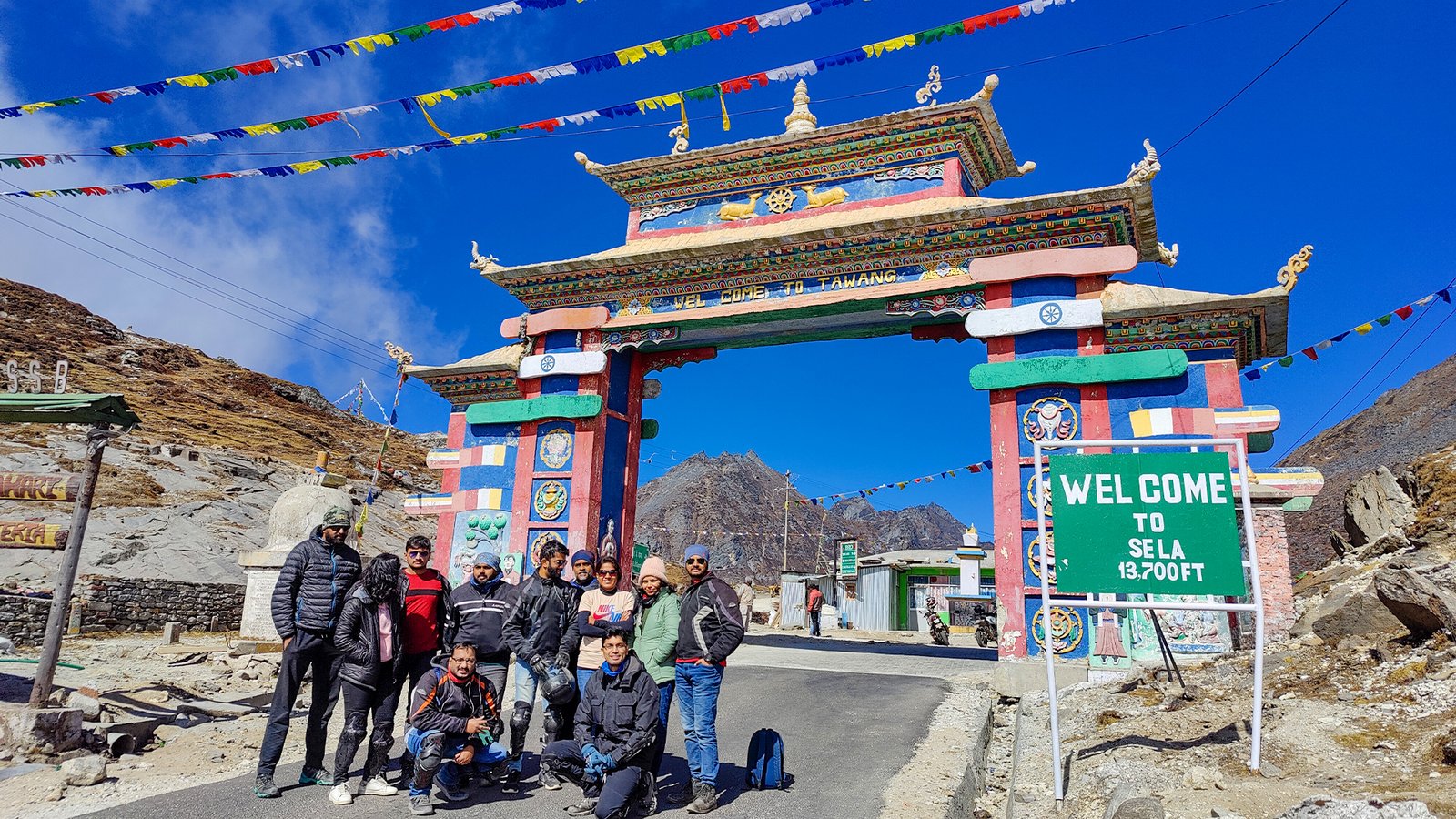
Another factor behind Tawang’s record-breaking popularity is the rise of adventure tourism. Snow trekking, mountain biking, high-altitude lake visits like Madhuri Lake and Sangetsar Lake, and breathtaking drives through Sela Pass have captivated thrill-seekers. Social media has played a crucial role, with viral travel reels showcasing frozen waterfalls, snowfall experiences, and dramatic landscapes, inspiring thousands to plan trips.
Government initiatives have also accelerated Tawang’s success. Infrastructure upgrades, eco-tourism policies, and safety measures for high-altitude travelers have enhanced visitor confidence. The introduction of sustainable tourism programs ensures that while tourism numbers grow, the fragile Himalayan ecosystem remains protected. Local communities are actively involved, creating a balance between development and conservation.
What truly sets Tawang apart is its cultural authenticity. The Monpa tribe’s warm hospitality, traditional festivals like Losar and Torgya, and local cuisine offer travelers an immersive experience. Unlike overcrowded hill stations, Tawang still retains a peaceful charm, making it attractive to travelers seeking meaningful and uncrowded journeys.
Despite its rapid rise, challenges remain. Harsh weather conditions, limited winter accessibility, and environmental sensitivity demand careful planning. Authorities are now focusing on responsible tourism to ensure that the destination’s record-breaking success does not compromise its natural and cultural heritage.
In conclusion, Tawang’s rise is not just a tourism success story—it is a testament to how sustainable development, cultural preservation, and natural beauty can combine to create a world-class destination. As records continue to break, Tawang stands as a shining example of India’s evolving travel landscape, promising unforgettable experiences for generations to come.